The human side of AI transformation
AI adoption is not only about getting people to use the tools.
It’s about what those tools strengthen, weaken, and scale across the organization.
That is the conversation many leadership teams are only beginning to have. Let’s have it.
The cost
You are introducing an intelligence multiplier into your organization. What exactly are you multiplying?
Most organizations are starting to know the tool. Few have looked at what the tool is running on.
- —The most enthusiastic may be the most afraid. Adoption scores measure the surface.
- —The work looks more polished than ever. The ability to challenge it is going the other way.
- —People are taking their uncertainty to AI before they take it to each other.
This is what it costs your growth
Unrealized AI value
How much did you invest in AI capability your organization cannot fully absorb? What percentage of your people are using it for work that actually matters?
Human capability depreciation
The numbers go up. The ability to check, challenge, and contextualize what your organization produces goes down. What is that worth, five years from now?
The human multiplier left unused
Same tools as your competitor. Different human system. Different outcome. What is the gap costing you?
Human signals you shouldn’t ignore
Companies are asking: how do we deploy AI? Their people are silently asking something else entirely.
“I had a moment when I thought I couldn’t code without AI — despite having programmed for years and even won a national programming championship. That’s how strong the dependency becomes.”
— Software Engineer · United Kingdom
“Chatbots can make people feel less lonely, but they don’t make them less alone.”
— Entrepreneur · United States of America
“I’m afraid: if my boss sees how quickly I finish, the hamster wheel will just spin faster and I’ll drown in even more pointless tasks.”
— Operations Manager · Germany
“An assistant that sounds sure but is often wrong forces you to treat everything as suspect. Instead of freeing attention, it creates a permanent ‘fact-check tax.’”
— United States
These are voices from Anthropic’s 81,000-person study on AI and the future of work.
What I saw in that data is not what your adoption dashboard is showing you.
5 Signals Your AI Transformation Cannot Afford to Miss
A reading of Anthropic’s 81,000-interview study — about what is happening to your people behind the tools.
Download the free report→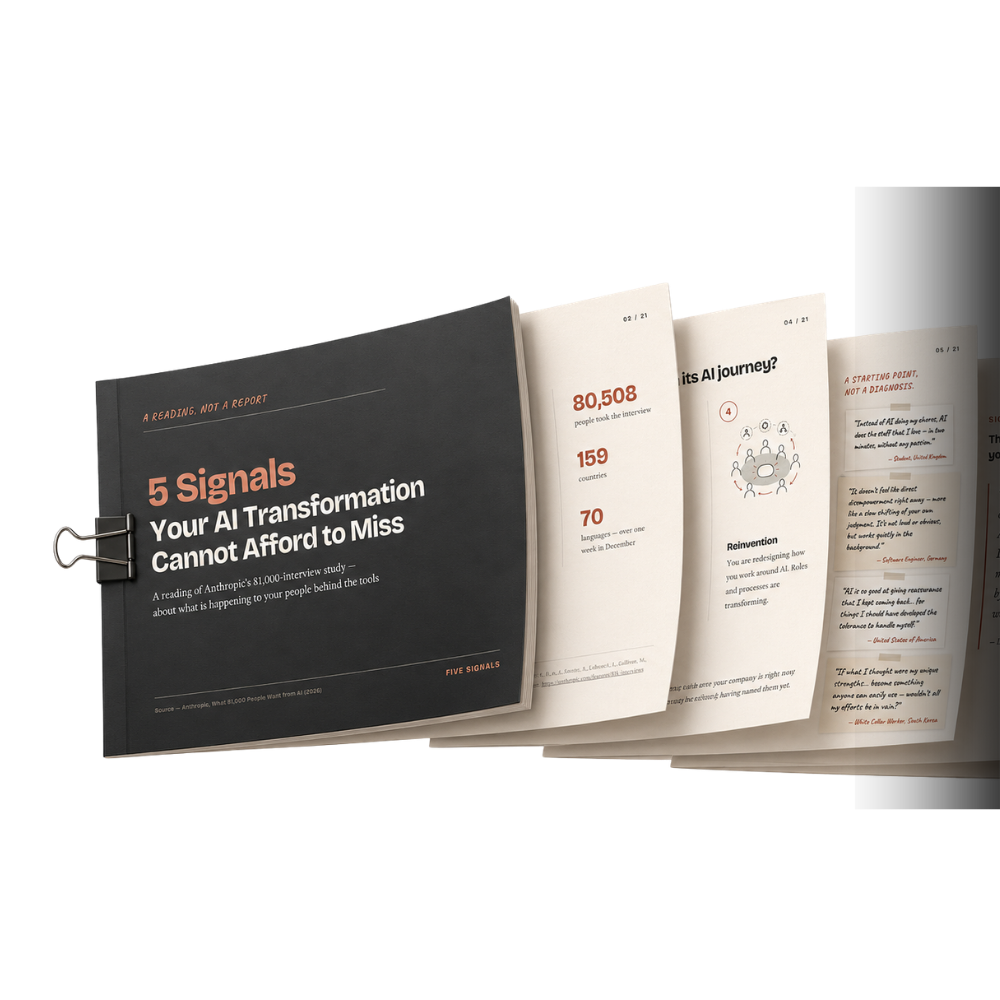
What I do
I work with organizations in the middle of AI transformation, helping their people build the human capabilities that make the change actually work.
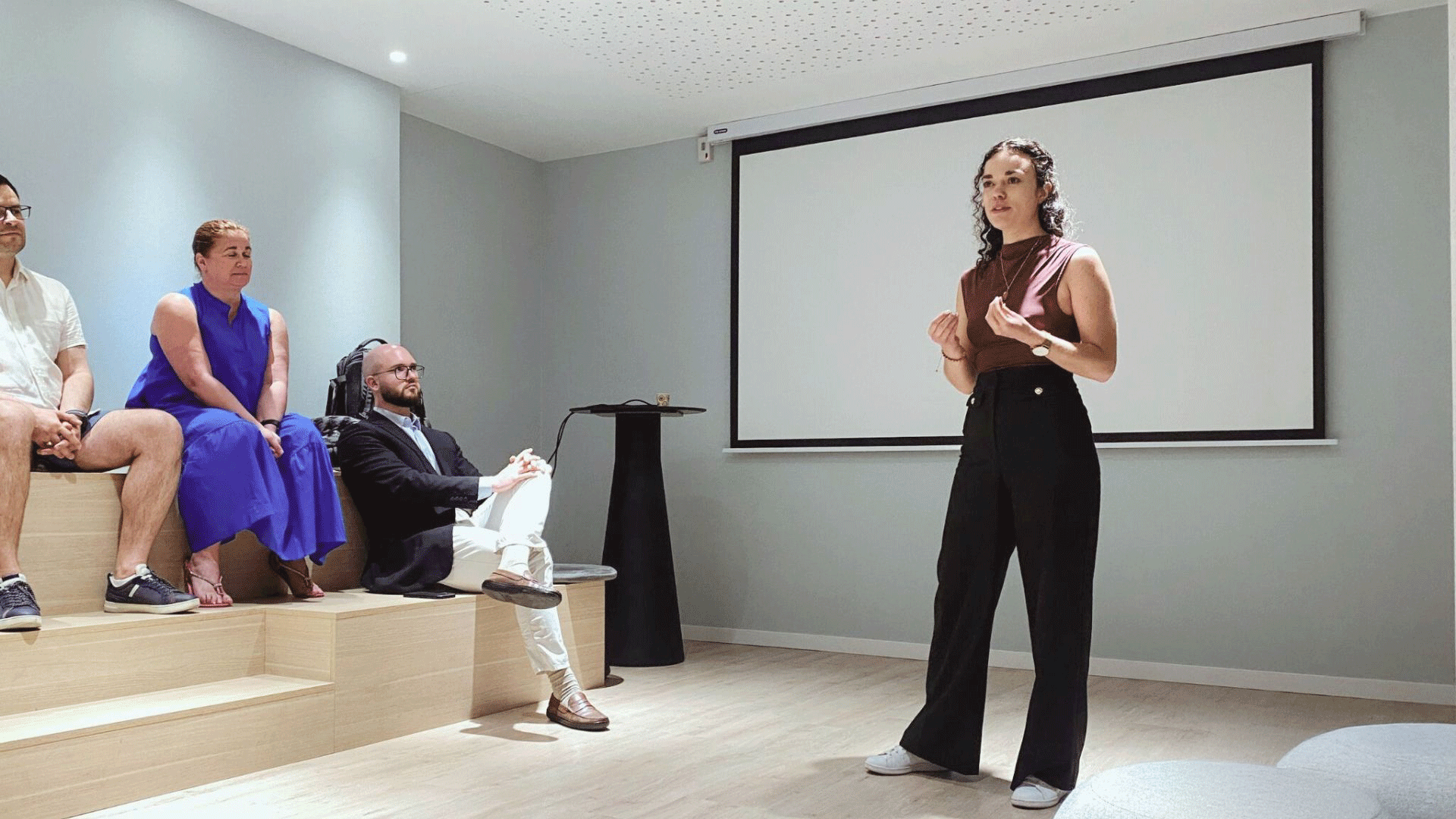
AI transformation asks people to do more than learn new tools. They have to navigate uncertainty, rethink assumptions, exercise judgment in new ways, and keep learning as the work itself changes.
That is the layer I work on.
Where to start
You adopted AI to perform at your best. Nobody told you it would cost you your judgment.
Own Your Thinking — a one-day metacognition intensive for teams navigating AI.
The AI journey
Where is your organization now?
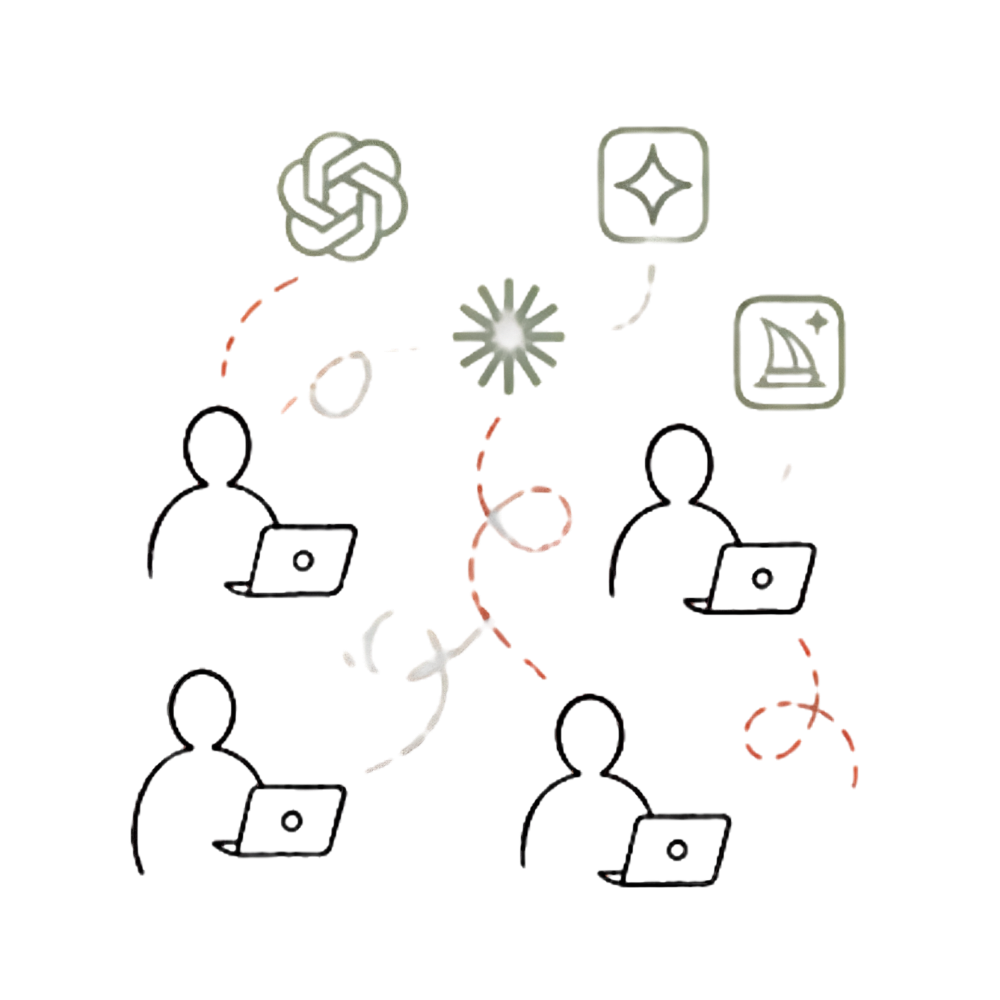
01
Exploration
People experiment on their own.
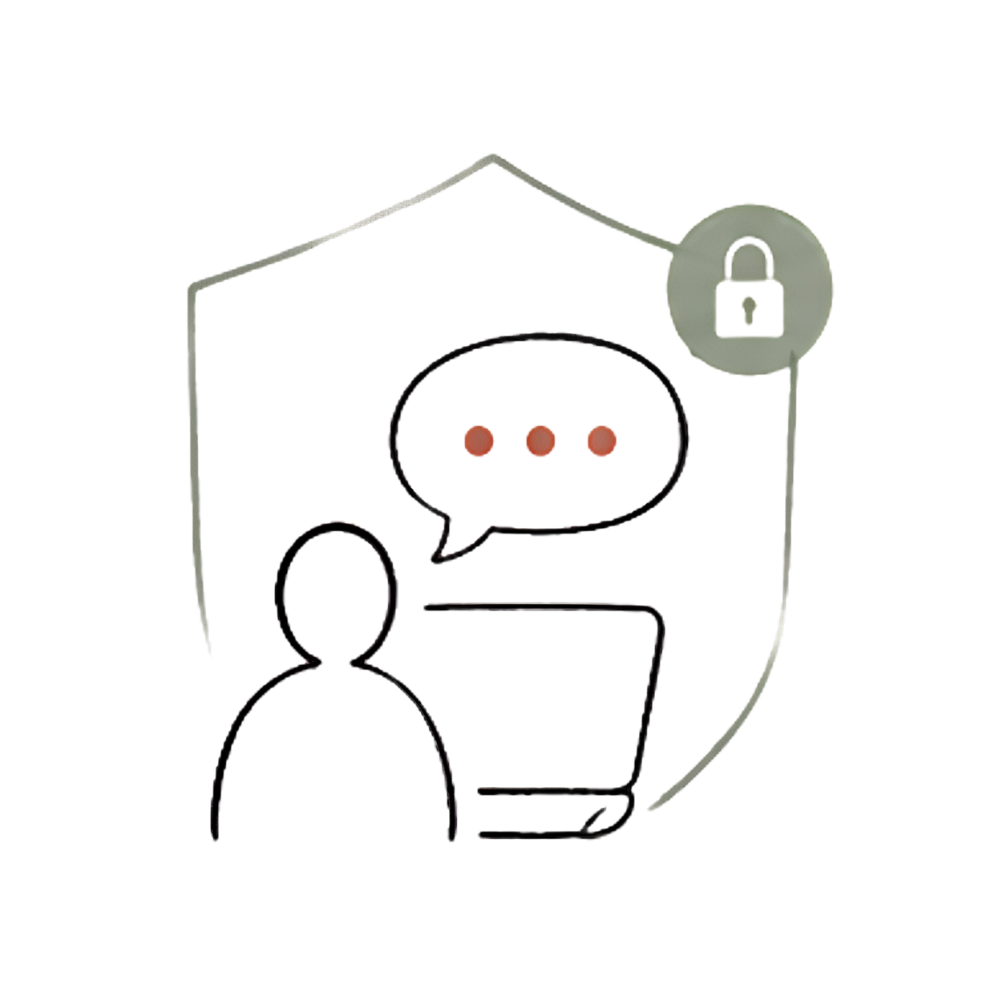
02
Foundation
Secure tools and shared basics.
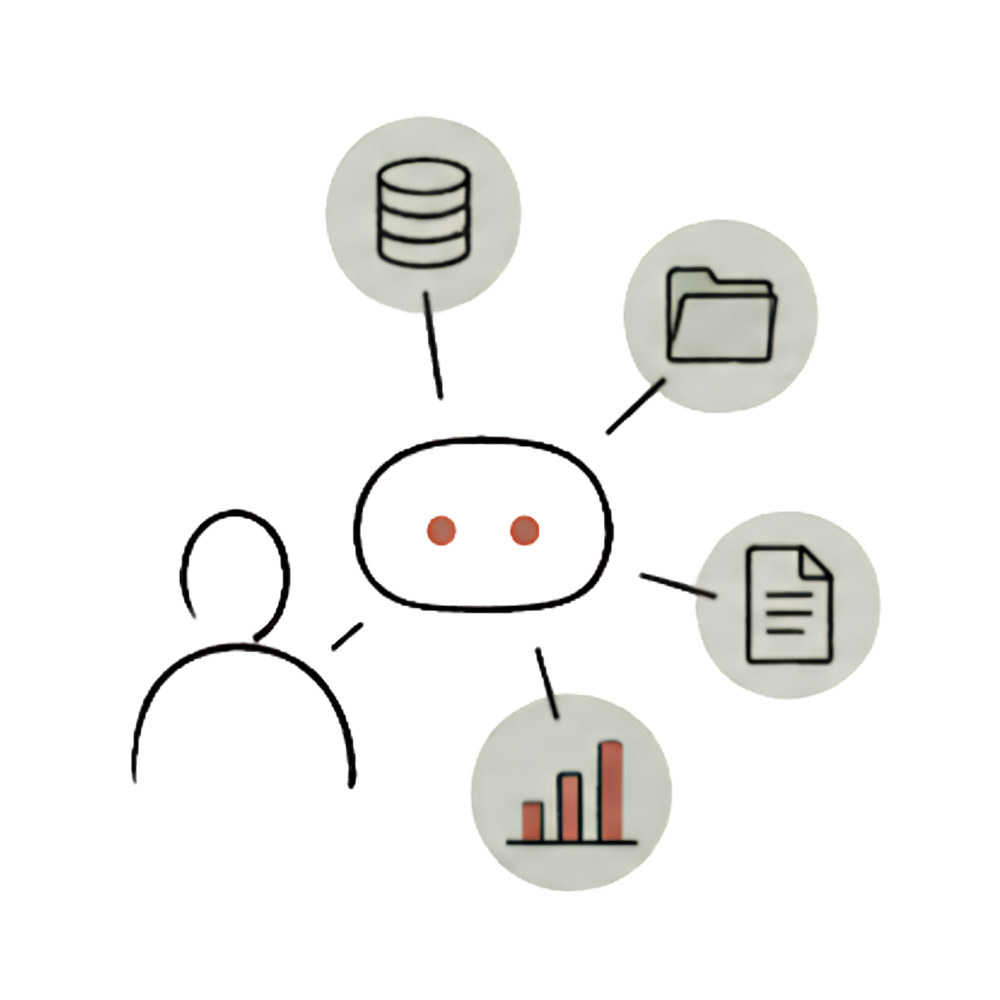
03
Integration
AI enters workflows and everyday work.
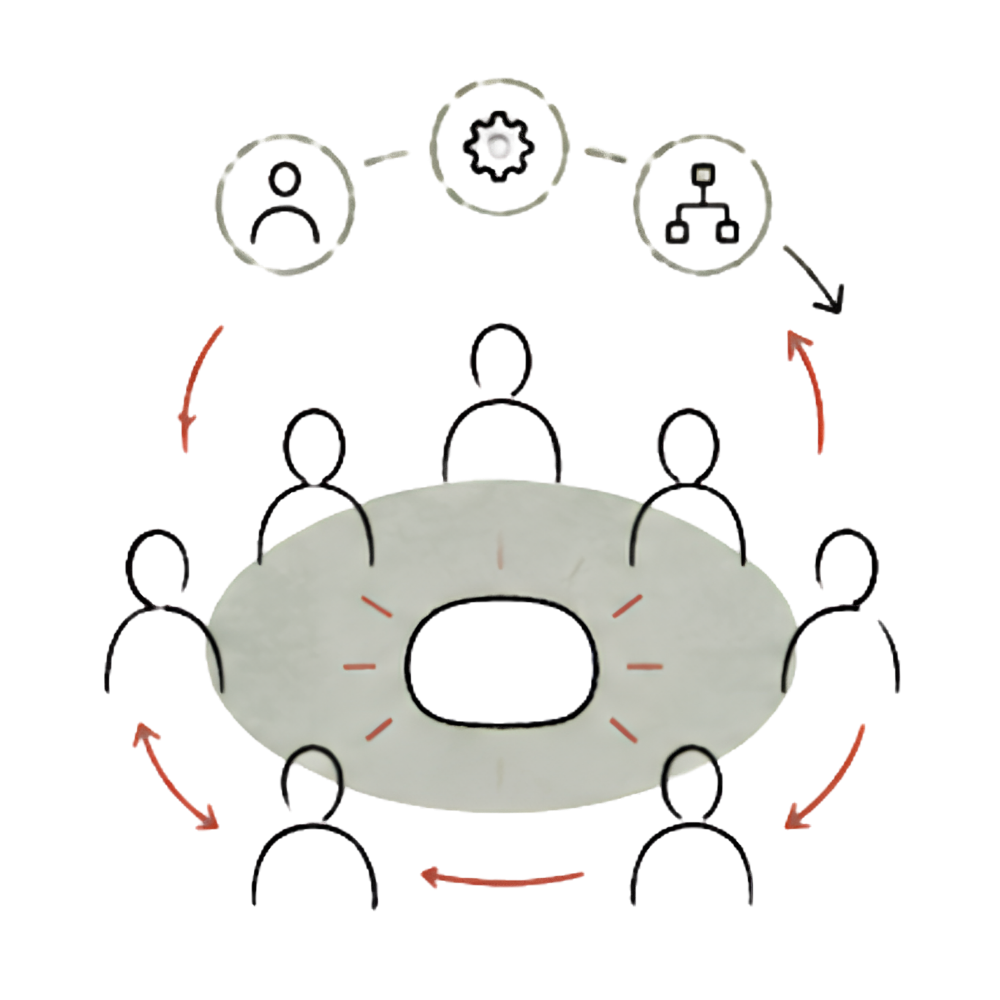
04
Reinvention
Roles and ways of working begin to change.
The human side of the journey
At every stage, a different kind of human work comes into focus.
Orient
Where are we going?
Align leadership around what AI should make possible, and what kind of organization you want to become.
Reinvent
How does work change?
Help people question assumptions about their role, contribution, and ways of working as AI changes what is possible.
Evolve
How do we keep evolving?
Build the learning culture, human capabilities and internal practices that make continuous sustainable AI adaptation possible.
The outcome
This is what it looks like on the other side.
People know how to work with AI, not just use it. Judgment gets stronger instead of being quietly outsourced. Teams keep thinking together instead of drifting into parallel AI-assisted work.
People can question, disagree, experiment, and update without losing confidence or burning themselves out.
The gap between you and a competitor running the same tools is what your people are able to do with them.
Ways to work together
Start where the need is.
Available worldwide online · On-site across Europe
 Available worldwide online · On-site across Europe
Open the conversation
Keynotes & leadership sessions

Work through a challenge
Facilitated workshops

Build capability over time
Custom 6–12 month programs

Collaborate
For AI consultants & transformation partners
If that is the conversation you are ready to have — let’s talk.
Ideas in public. Change in practice.
Writing
The Human & AI Debrief
Weekly column in The AI Report (400k daily readers)
Every Wednesday, we ask the human questions underneath AI transformation — the conversations we need to have before the decisions get made for us.
Read→The experience, in their words
“Marie-Lou has a rare gift for creating spaces where people not only think more clearly but genuinely connect. Her facilitation sparked insight, openness, and a sense of shared humanity that stayed with me long after.

Istvan Vamossy
Operator-Builder · Growth & GTM for Tech Companies
Speaking
The future is not only being coded.
It is being conditioned.
TEDx — VU Amsterdam
On the human patterns we inherit from families, cultures and systems — now being scaled by powerful technologies.
Watch on YouTube→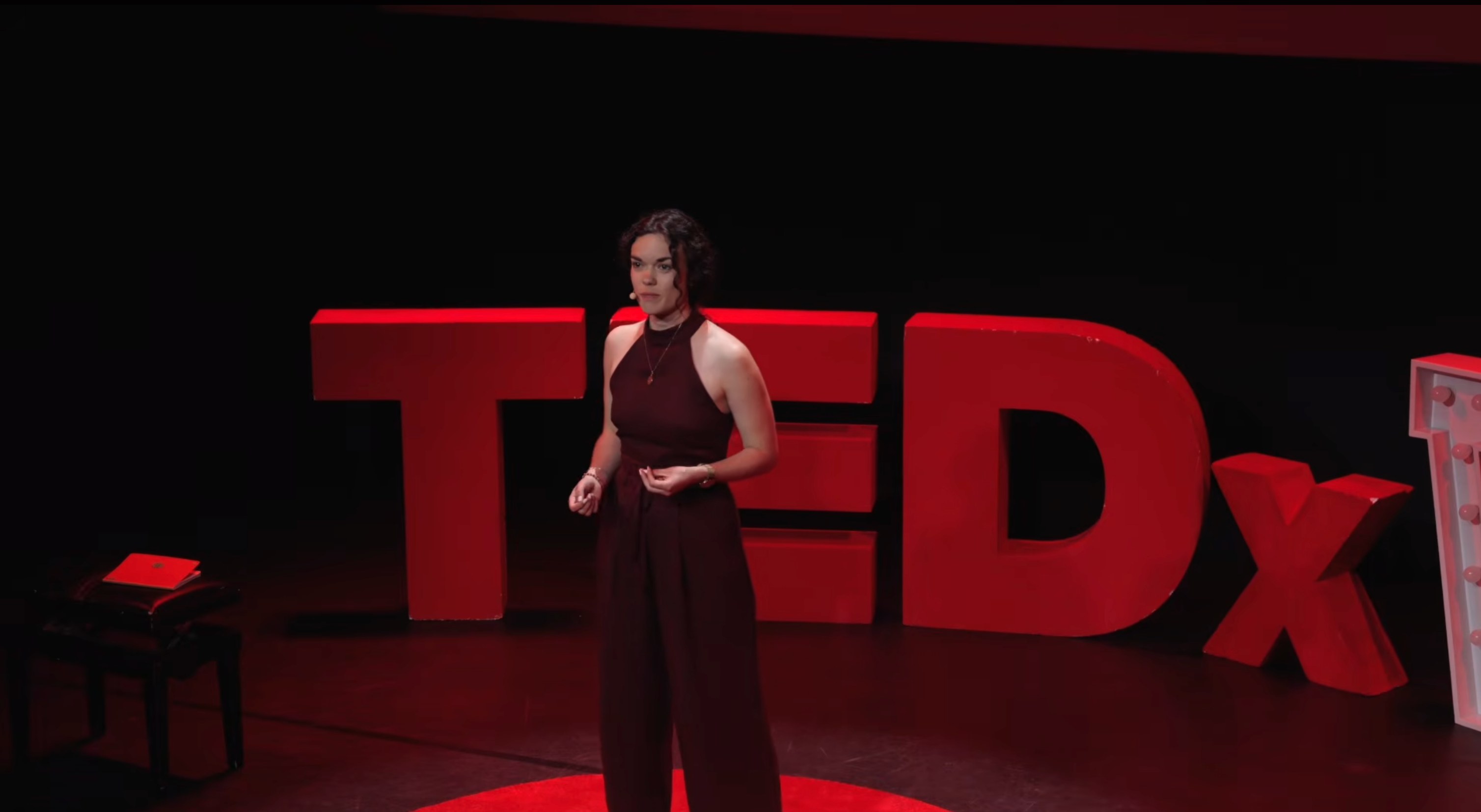 ▶
▶Note to leaders
You are not a passive observer of what the AI era becomes.
Who do we want our people to become inside an organization that has AI? That question changes everything.
This future is not predetermined. It is being shaped now — through the questions leaders ask, the conversations they make possible, and the capacities they choose to protect.
The leaders who ask the harder question don’t just build better companies. They build the companies others look to when they’re trying to figure out what work should look like next. That is the opportunity.
You are participating in the design of what comes next.
That is the work I am here for. Let’s build it deliberately.
Marie-Lou
The first step is seeing clearly.
Here’s exactly what happens when you reach out.
- 1
Book a free 30-minute call — no pitch, just a conversation.
- 2
I ask the questions your dashboard can’t answer.
- 3
You receive a report of what I heard, plus a roadmap of what’s possible.
- 4
If the work suggests we should go further, that’s a separate conversation.